

Joint inflammation can cause pain, stiffness, swelling, warmth, and reduced movement. The most useful natural strategies are usually consistent movement, adequate recovery, balanced nutrition, healthy weight management, and practical changes that reduce repeated joint stress.
The term “joint inflammation” can describe many different problems, including osteoarthritis, rheumatoid arthritis, gout, bursitis, tendon irritation, or an injury. These conditions do not all respond to the same approach. Natural measures may reduce symptoms and improve function, but they should not replace medical evaluation when symptoms are severe, persistent, or unusual.
What natural approaches can help calm joint symptoms?
Regular low-impact movement, gradual strengthening, sleep, and an overall balanced eating pattern are among the most reliable non-drug approaches for managing arthritis-related pain and stiffness. Physical activity can improve joint function, mood, and quality of life without necessarily worsening inflammation. ([cdc.gov](https://www.cdc.gov/arthritis/prevention/index.html?utm_source=openai))
A practical starting plan may include:
- Five to ten minutes of easy walking, cycling, or mobility exercises
- Gentle range-of-motion movements for stiff joints
- Strength exercises two days per week, using body weight, light resistance bands, or manageable weights
- Short movement breaks after sitting for long periods
- Gradual increases rather than sudden changes in intensity
For residents managing long commutes, desk work, apartment stairs, or seasonal outdoor chores, breaking activity into brief sessions can be more realistic than trying to complete one long workout. A short walk indoors or outdoors still contributes to the day’s total activity.
Which exercises are easiest on inflamed joints?
Low-impact activities usually place less stress on painful joints while helping maintain mobility and muscle support. Walking, cycling, swimming, water exercise, tai chi, light gardening, and controlled strengthening are commonly recommended options. Adults with arthritis are generally encouraged to work toward 150 minutes of moderate aerobic activity weekly, along with muscle-strengthening activity on at least two days, but starting below that level is appropriate when pain or stiffness is limiting. ([cdc.gov](https://www.cdc.gov/arthritis/prevention/index.html?utm_source=openai))
A useful rule is that mild muscle tiredness may be acceptable, but sharp, escalating, or lasting joint pain is a reason to reduce the effort. Some temporary soreness or stiffness can occur when beginning a new routine. If swelling, pain, or loss of function continues to worsen, the activity should be paused and evaluated. ([cdc.gov](https://www.cdc.gov/arthritis/prevention/index.html?utm_source=openai))
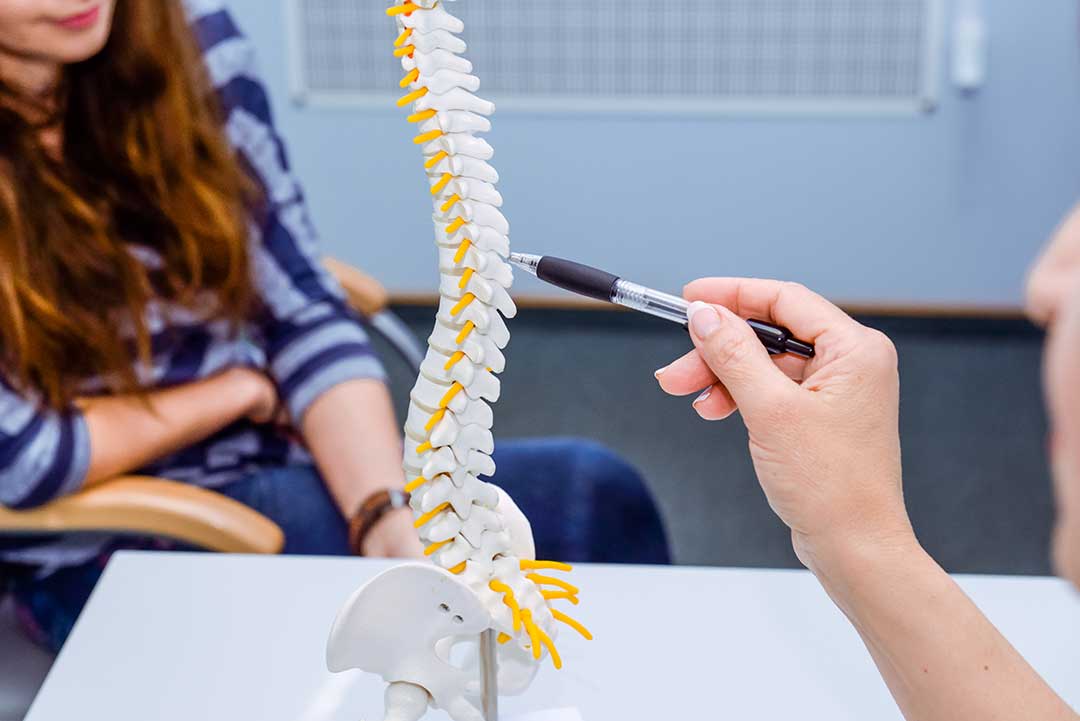
Chiropractic education often emphasizes how spinal, pelvic, and extremity movement affects daily function. That perspective can be useful for identifying movement habits, load distribution, and mobility limitations. However, manipulation or exercise should be adapted to the person’s diagnosis, medications, bone health, and current level of inflammation.
Can food reduce inflammation in the joints?
Food cannot reliably cure an inflammatory joint disease, but a Mediterranean-style eating pattern may support pain management and general health, particularly for people with rheumatoid arthritis. This pattern emphasizes vegetables, fruits, whole grains, beans, nuts, seeds, olive oil, and fish while limiting highly processed foods, added sugars, refined carbohydrates, and excess saturated fat. ([pmc.ncbi.nlm.nih.gov](https://pmc.ncbi.nlm.nih.gov/articles/10947582/?utm_source=openai))
Simple meal changes may include:
- Adding vegetables or fruit to most meals
- Choosing beans, lentils, fish, poultry, or other minimally processed proteins
- Replacing refined grains with oats, brown rice, or whole-grain bread
- Using nuts, seeds, or olive oil in reasonable portions
- Limiting sugary drinks and heavily processed snack foods
There is no single “anti-inflammatory” food that works for everyone. Be cautious with elimination diets and supplement claims. The American College of Rheumatology guideline found that established dietary recommendations generally have better support than adding supplements for rheumatoid arthritis management. Supplements can also interact with prescriptions or be unsuitable for people with kidney, liver, bleeding, or digestive conditions. ([pmc.ncbi.nlm.nih.gov](https://pmc.ncbi.nlm.nih.gov/articles/10947582/?utm_source=openai))
Does losing weight help joint inflammation?
For people carrying excess weight, even modest weight loss may reduce pain and disability associated with arthritis. Weight management can also make walking, strengthening, and daily movement easier. The goal should be improved health and function rather than a rapid or extreme diet. ([cdc.gov](https://www.cdc.gov/arthritis/hcp/self-management/index.html?utm_source=openai))
Joint-friendly weight-management habits include:
- Building meals around vegetables, protein, and high-fiber carbohydrates
- Reducing liquid calories and frequent highly processed snacks
- Using walking, cycling, water exercise, or seated routines as tolerated
- Tracking energy, sleep, hunger, and pain rather than focusing only on the scale
- Increasing activity gradually to protect painful knees, hips, feet, or the lower back
A person does not need to reach an “ideal” weight before beginning movement. In many cases, improved strength and activity tolerance are worthwhile goals on their own.
Should heat or cold be used for an irritated joint?
Cold is generally more useful for recent swelling or a flare after activity, while heat may help morning stiffness, muscle tightness, or restricted movement. Neither should be applied directly to bare skin or for prolonged periods. A towel barrier and short applications are safer than falling asleep with a heating pad or ice pack. ([arthritis.org](https://www.arthritis.org/getmedia/997915cf-c9ca-4c9f-94cc-2d42ed87dcd8/45_Ways_to_Tame_Your_Pain_2023.pdf?utm_source=openai))
Try heat before gentle mobility work if stiffness is the main problem. Consider cold after activity when a joint feels swollen or throbbing. People with reduced sensation, poor circulation, diabetes-related nerve problems, or skin conditions should use extra caution.
How do sleep and stress affect joint pain?
Poor sleep can increase pain sensitivity, fatigue, and difficulty coping with discomfort. Stress may also increase muscle tension and make symptoms feel more intrusive. Helpful habits include keeping a consistent sleep schedule, reducing bright screens near bedtime, using slow breathing or relaxation exercises, and avoiding intense exercise immediately before bed.
Mind-body approaches, cognitive behavioral strategies, and self-management education may improve coping, sleep, fatigue, or emotional well-being, although they are not substitutes for treatment of an underlying inflammatory disease. ([pmc.ncbi.nlm.nih.gov](https://pmc.ncbi.nlm.nih.gov/articles/10947582/?utm_source=openai))
When should joint inflammation be evaluated promptly?
Natural care is not appropriate as the only response to every swollen joint. Prompt medical evaluation is warranted for:
- A hot, red, severely painful joint that develops suddenly
- Fever, chills, or feeling acutely unwell
- A joint that becomes swollen after a significant fall or injury
- New weakness, numbness, or inability to bear weight
- Persistent morning stiffness, multiple swollen joints, or symptoms affecting both sides of the body
- Pain that repeatedly wakes a person or steadily worsens
These patterns can signal infection, gout, autoimmune arthritis, fracture, or another condition requiring specific treatment. Osteoarthritis symptoms can often be managed with lifestyle changes, but diagnosis may involve a history, examination, imaging, or laboratory testing to rule out other causes. ([nia.nih.gov](https://www.nia.nih.gov/health/osteoarthritis/osteoarthritis?utm_source=openai))
For many households in White Plains, seasonal changes may alter walking routines, outdoor work, and time spent sitting indoors. A sustainable plan is usually more helpful than a short-term remedy: keep joints moving, strengthen gradually, choose nourishing meals, protect sleep, and pay attention to symptoms that do not follow the expected pattern.
