
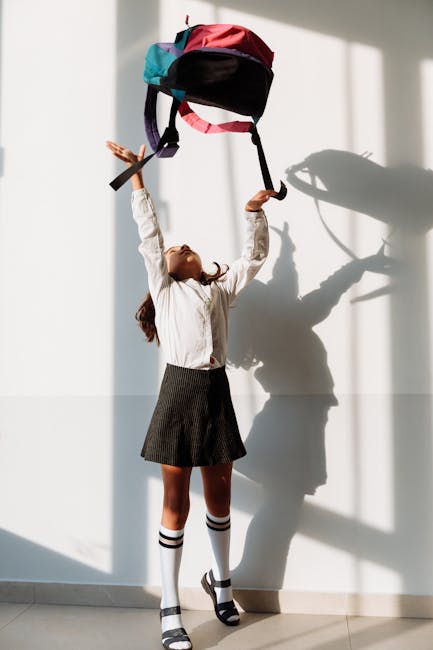
As summer fades and the school year returns, parents across White Plains, NY, turn their focus to school supplies, routines, and their children’s health and safety. One concern that comes up again and again—especially among health professionals and parents alike—is the weight of student backpacks. The simple act of carrying a heavy backpack, often overlooked, can have lasting impacts on children’s health, especially as they hustle between school, after-school activities, and home in our busy community.
Why Backpack Weight Matters for Kids
Children’s bodies are still developing. Their bones, muscles, and joints are more vulnerable to repetitive stress and poor posture. When a backpack is too heavy, it does more than just slow your child down:
- It can lead to misalignments of the spine and posture problems
- Muscle and joint pain, especially in the shoulders, neck, and lower back
- Long-term conditions like scoliosis or poor spinal curvature
- Impacts energy, concentration, and overall well-being
In a city like White Plains, where many kids walk to school, take public transportation, or rush between extracurriculars, the strain of carrying excess weight is even more pronounced.
What Is the Safe Weight for a Child’s Backpack?
Experts recommend that a child’s backpack should weigh no more than 10-15% of their body weight. For example, if your child weighs 80 pounds, their backpack should not exceed 8-12 pounds. However, many parents in White Plains report seeing children with backpacks significantly heavier—sometimes up to 20% or more of their body weight, especially on days with library books or projects to carry.
The American Chiropractic Association and pediatric organizations warn that excessive backpack weight can result in:
- Muscle fatigue and soreness
- Spinal compression
- Headaches and neck pain
- Forward head posture and rounded shoulders
These symptoms may be temporary, but chronic exposure can create lasting health concerns and require ongoing care.
Signs Your Child’s Backpack May Be Too Heavy
Whether you live in one of the downtown apartment complexes or a quiet suburb in White Plains, look out for these warning signs:
- Complaints of shoulder, neck, or back pain
- A backpack that appears too large or sagging far below the waist
- Difficulty putting on or taking off the backpack
- Leaning forward or shifting posture when carrying the backpack
- Red marks on the shoulders from straps
If your child displays any of these symptoms, it’s time to reassess the load they carry every day.
The Local Perspective: White Plains’ Active Lifestyles and School Commutes
White Plains is known for its walkable neighborhoods, vibrant school communities, and high participation in extracurricular activities. However, this also means that children often carry their bags for longer distances—walking to Hartsdale Train Station, traversing the White Plains Greenway, or simply moving from the school bus stop to their homes.
Moreover, local schools’ diverse programs often require students to bring a laptop, lunch, books, sports gear, and more, all adding to the daily weight. It’s easy for backpacks to become overloaded, especially with today’s heavier textbooks and technology.
How to Choose—and Pack—a Healthy Backpack
Parents can take several steps to keep their children safe and healthy. Here’s how to help your child in White Plains:
- Select the Right Backpack: Look for wide, padded shoulder straps, a padded back, and a backpack that sits no lower than the waist. Some local stores even offer backpack fittings during back-to-school season.
- Organizational Tips: Teach your child to pack only what is necessary each day. Utilize lockers at school or encourage leaving non-essential items at home.
- Proper Wearing: Both straps should be used at all times—discourage the “one shoulder” look, which creates uneven strain.
- Distribute Weight Smartly: Heavier items should be placed closest to the back’s center, and lighter items farther out.
- Regular Check-Ins: Once a week, go through your child’s backpack together to remove unnecessary items and check for damage or wear in straps and zippers.
Chiropractic Perspective: Prevention and Early Detection
As a chiropractor in White Plains, NY, I often see children and teens with pain and postural issues that stem from carrying improper backpack loads. Preventive care and early intervention are key. Even seemingly minor aches and pains can be warning signs.
Regular chiropractic check-ups can help detect spinal misalignments early, promote healthy posture, and provide parents with specific advice tailored to their child’s needs. If your child plays sports or is particularly active, monitoring spinal health becomes even more important.
Community Resources: Making Changes Together
White Plains families don’t have to tackle this problem alone. Many PTA groups and school wellness committees address backpack safety as part of broader health education programs. Some schools offer digital textbooks, accessible lockers, or “light days” with limited books to reduce load.
Parents can:
- Advocate for digital materials when possible
- Work with teachers on homework policies that consider physical strain
- Coordinate with other parents about carpooling supplies for after-school activities
If you have concerns about your child’s backpack or notice signs of discomfort, don’t hesitate to discuss these with your school nurse, pediatrician, or trusted chiropractor.
The Takeaway for White Plains Parents
Children in White Plains are active, engaged, and constantly on the move. While education and activities are essential, so is their physical well-being. Small changes, like monitoring backpack weight and usage, can have a big impact on your child’s present comfort and future health.
Pay attention, take action, and don’t be afraid to reach out to local health experts for guidance. Your child’s spine—and their overall health—will thank you for it.
